
C. G. Brown
Atlanta, GA

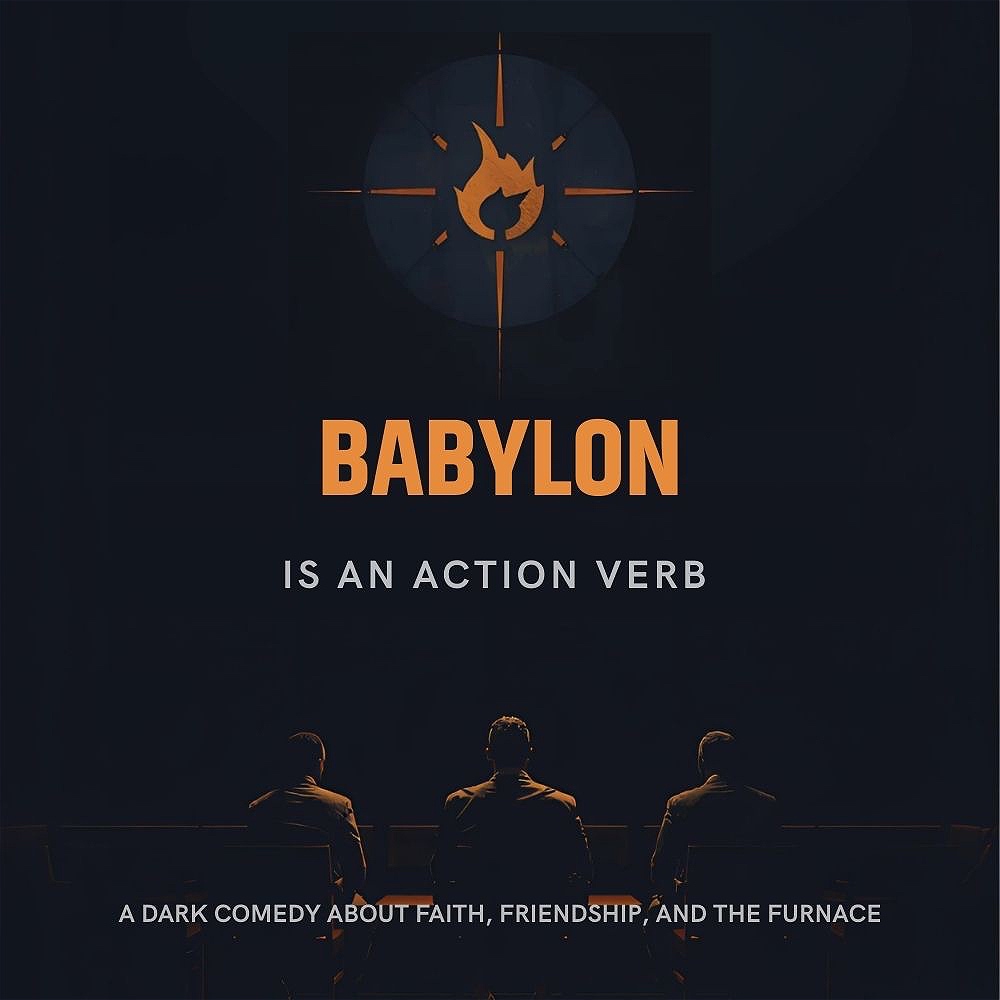
The chairs get set up every Sunday and torn down every Sunday. The worship is loud, the theology is tight, and the coffee is very. . . hot. Then something happens, the structure collapses, and what's left is three very different kinds of faith and a silence that might be holy or might just be empty.
Babylon Is An Action Verb is a dark comedy about evangelical church culture, male friendship, and the distance between believing in God and hearing back.
The Buzz Intro Interview
C. G. Brown / Playwright & Producer

1. Why should people see your show?
This show lets you be a fly on the wall as three men build a friendship inside a system optimized for performance over authenticity. What seems perfectly normal from the inside looks absurd, and sometimes disturbing, from where you're sitting. It's in modern language but Shakespearean meter, which makes every word land harder than it has any right to. You'll laugh, you'll squirm, and you'll leave thinking about the last time you sat in a room and pretended everything was fine.
2. What about festivals intrigues you? And why the Atlanta Fringe?
Festivals have a spirit of exchange. You're surrounded by artists working in completely different forms, and the instinct isn't to compete but to learn from the diversity of approaches. Atlanta Fringe specifically has a sense of play and openness that I'm drawn to. The audience comes ready to take chances on something they've never heard of, and the artists are there to do the same for each other. As a local and a new playwright, I couldn't be more excited to have my first play debut at Atlanta Fringe Festival!
3. What inspired you to create this?
I attended an Acts 29 church for eight years. If you've heard of Hillsong, it's a similar world; they wouldn't call themselves a denomination, but there's a definite shared playbook. One of the most distinctive features is the accountability group: three men or three women meeting regularly to share their deepest struggles. There's a real beauty in that vulnerability. But there's also something unsettling about intimacy that's always in service of enforcing a larger belief system.
I started out writing about the rise and fall of a church like that. But then I met three guys who set up and tear down folding chairs every Sunday while the pastor pontificates, and they were far more interesting. So I followed them instead.