
Emma Morris Projects
Atlanta GA


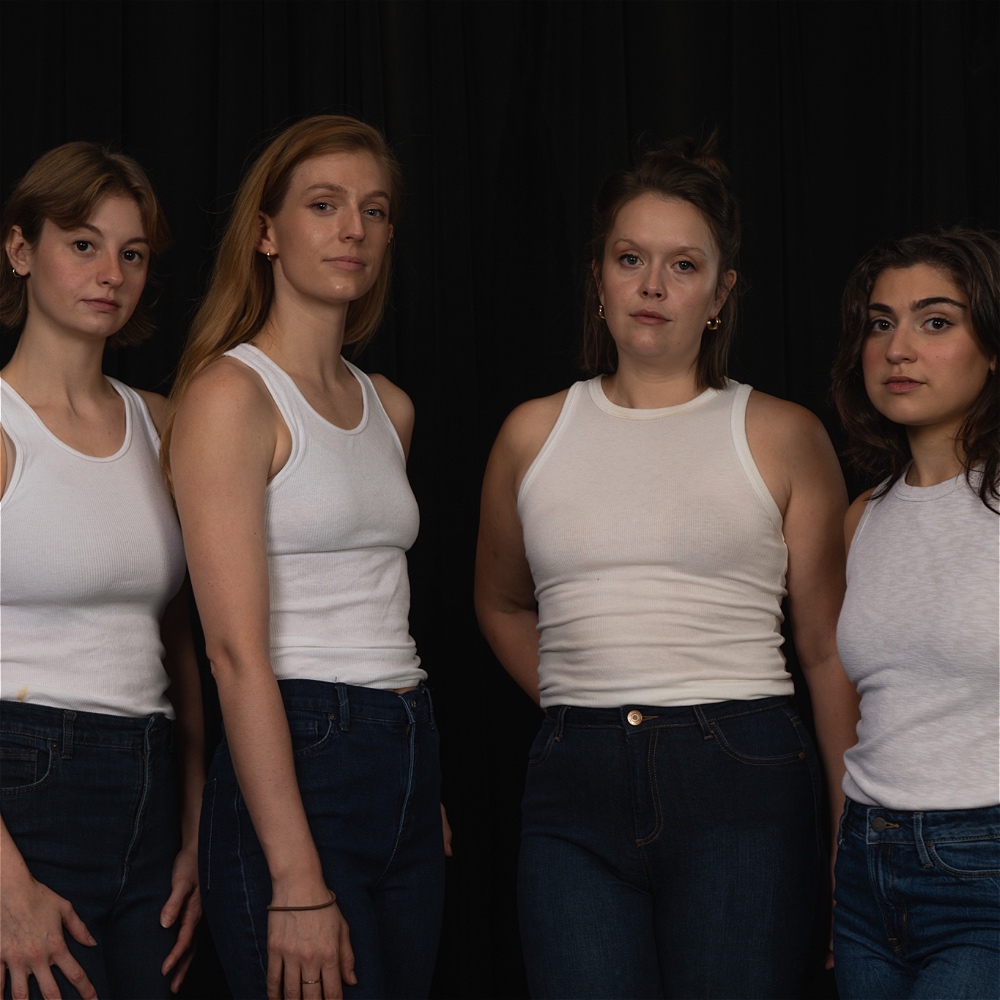
 Audience Interaction
The Buzz Intro Interview
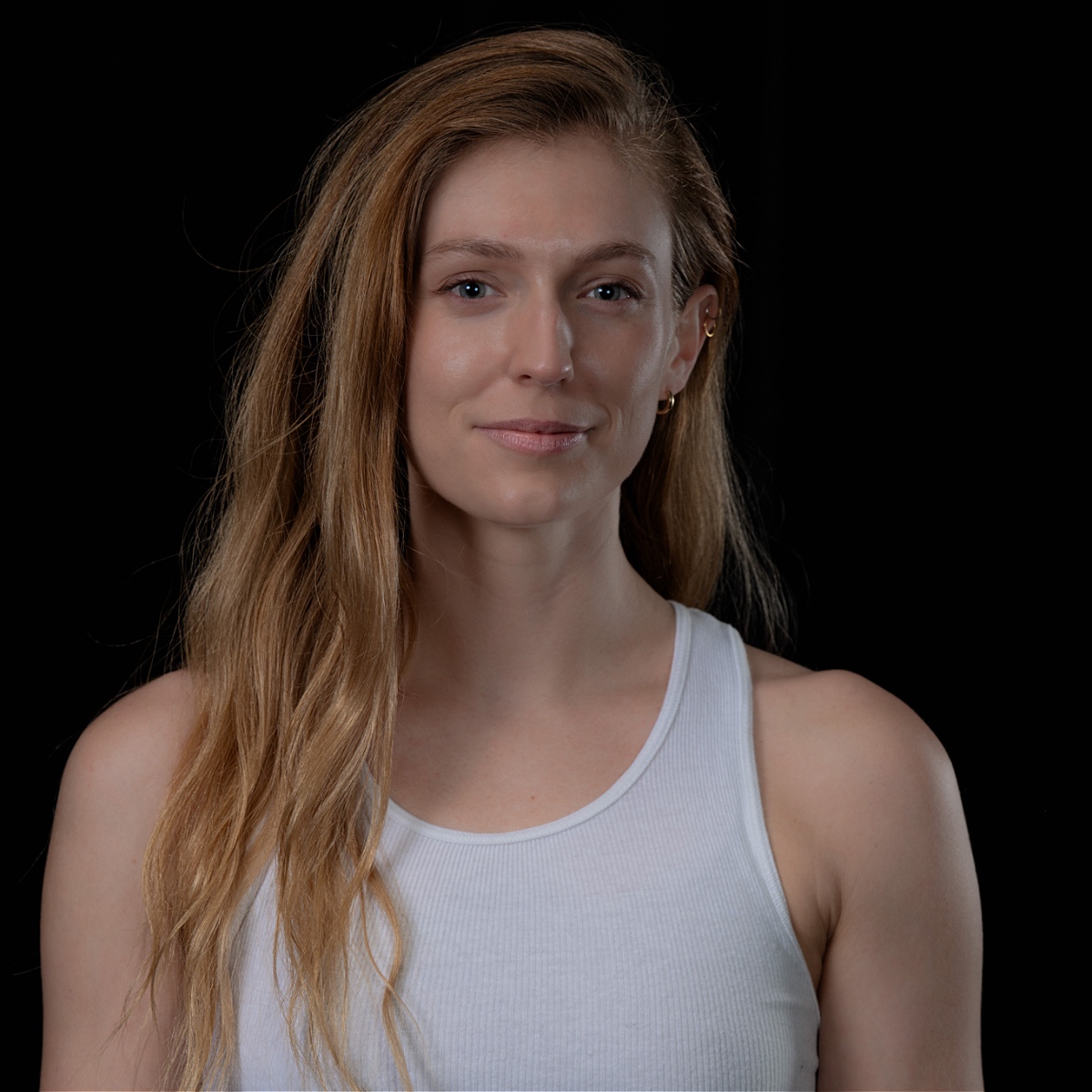
Emma Morris, director and creator
1. Why should people see your show?
People should come see I hope we never Land if they love highly physical movement, witnessing feats of strength, hearing original text, laughing amidst the chaos of life, and experiencing stories that are slowly revealed throughout a production. Audiences who feel nervous to see a dance show should come, as the work incorporates acting and text that allows for an accessible entry point for new dance audiences. People who care strongly about the environment should come see the show so they can discuss with friends and family the themes of the work and encourage others to bring nature from dreams and memories into our present lives. And fans of the city of Atlanta should come to the show to support art built in this city and for this city!
2. What about festivals intrigues you? And why the Atlanta Fringe?
I love festivals because it brings an incredible variety of shows to audiences who might not have attended a dance performance or cabaret or sketch comedy show. I love Atlanta Fringe because it continues to uplift Atlanta talent while introducing audiences to incredible artist from all over the world.
3. What inspired you to create this?
I was originally inspired by one of my favorite books, Slaughterhouse 5. In it, the central character Billy Pilgrim becomes "unstuck" in time, floating between adulthood as an optometrist, a soldier in wartime in Dresden, and as an animal in an alien zoo. I often cannot remember large pieces of my childhood, only to realize that a dream I had was really a memory of that day when I was five. I find that sometimes I can only remember the stories my sister has told me, her words stand in place of my memory. So I started writing and playing with the idea of being unstuck in time; a clock turns but does it start at 12? When do memories become stories? When do dreams become the present? And what serves to anchor us? I then began to examine how we connect to nature, from the carefree play of childhood to the loss of natural spaces in adulthood, drawing on themes of sustainability and the passage of time. By combining these diverse elements, the work seeks to provoke questions about memory, self-identity, and how we bring nature from dreams and memories into our present lives.