
Susan Swavely
Atlanta, Georgia

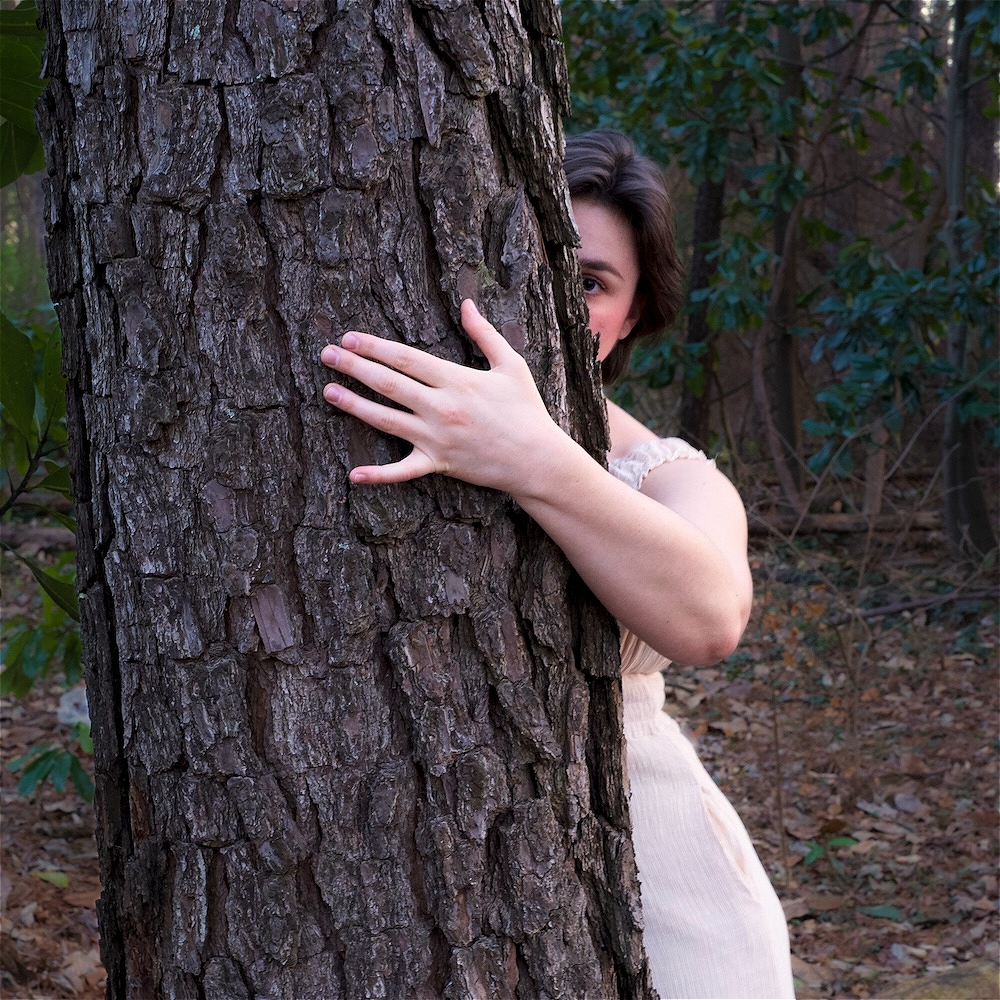
SIRENS explores the sweetness of new love, the heartbreak of betrayal, the power dynamics that devastate good intentions, and, of course, the unspoken bond women carry between them, no matter what.
This play answers a largely unasked question: who gets to create myth? Is it ever the sirens themselves?
 Swearing Fog or Special Effects
The Buzz Intro Interview
Susan Swavely / Writer and Actor

1. Why should people see your show?
People should come see SIRENS because, first and foremost, it is a beautiful play put on by the some of the most talented and dedicated artists I know. Their acting will sweep you into the world of the SIRENS without ever leaving your seat in the audience!
SIRENS is more than just a story about how myths are made, though. It's also a story about ~who~ gets to create myth, and whose stories we believe. People should see this show if they want a new way of looking at the folklore and myths we pass down.
And hey, it’s a pretty cool show: with love stories and betrayals and humor and queerness and friendship... so, even if you don’t know anything about the myths of scary women in the woods, it'll still be a great time!
2. What about festivals intrigues you? And why the Atlanta Fringe?
I have been a huge fan of Atlanta Fringe Fest for years now, but this is my first time being in the festival, which is so exciting.
I LOVE being a part of Atlanta's thriving creative community, and Atlanta Fringe is the perfect culmination of it! Atlanta Fringe is so diverse: with theatre and one-person shows and magic (I saw a magic show last year that made me believe in magic), and comedy and puppets and, and, and, and! There's never a dull moment at Atlanta Fringe, and that's so cool to me. I'm incredibly honored to have my play, SIRENS, be a part of it this year.
3. What inspired you to create this?
I am very interested in the idea that—in so many different cultures and stories from the past—there is this idea that a woman alone in the woods is a danger to men passing by—it’s almost like a collective conscious cautionary tale for men: not to be lured to their deaths by a beautiful woman... but the cruel reality is that more often than not, it is young women who are killed by men, not the opposite.
When you hear a story on the news that begins with ‘a young woman was alone in the woods when she ran into a group of men... ’ you probably don’t think the story ends with the woman seducing and killing the man. And yet, in myth she is a witch, a temptress, a sorceress, a succubus, a nymph... the list goes on and on and on.
So... who makes these myths? The answer seems painfully obvious, that it is not the women in which the myth is about. With SIRENS, I want to change that, to write a play from the perspective of the women, about the men who take advantage of their power to create propaganda, which we now call folklore.